
NGO Leadership Workshop
Warsaw
October 20 – 23, 2026
Developing Leaders. Strengthening Organizations. Advancing Impact.

In partnership with the University of Michigan’s Weiser Center for Europe
& Eurasia and the William Davidson Institute, we are pleased to announce the NGO Leadership Workshop in Warsaw, Poland.
Amid global uncertainty and the ongoing challenges facing civil society across Central and Eastern Europe and beyond, this workshop is part of our continued effort to empower NGO leaders from Armenia, Azerbaijan, Belarus, Georgia, Kazakhstan, Kyrgyzstan, Moldova, Poland, Ukraine, and Uzbekistan.
The four-day workshop equips participants with the knowledge, skills, and practical tools to lead in an increasingly complex and rapidly changing environment. Participants will strengthen their leadership capacity, learn how to harness artificial intelligence to enhance fundraising, communications, and organizational management, and develop evidence-based approaches to strategic decision-making and organizational learning. Combining world-class expertise from the University of Michigan with highly interactive sessions, practical exercises, and peer exchange, the program provides a unique opportunity to step away from day-to-day responsibilities, gain fresh perspectives, and build lasting relationships with fellow civil society leaders from across the region. Participants will leave with actionable strategies, a personalized leadership development plan, and practical solutions they can immediately apply within their organizations.
Now in its 17th edition, the NGO Leadership Workshop offers access to a network of more than 390 alumni across the region. As a participant, you will join a dynamic community of peers who continue to support, collaborate, and learn from one another long after the workshop ends.
4 days
Networking
and partnership building
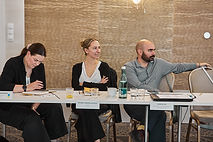
Access to an alumni network
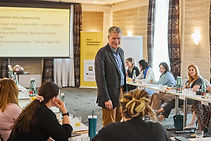
Exclusive tailor-made content and supplementary
e-learning module
Distinguished instructors
Certificate upon completion
Learning outcomes
By the end of the program, participants will:
Lead with greater confidence and purpose by understanding their leadership strengths, building trust, and strengthening their ability to inspire and positively influence others.
Use AI confidently to increase their impact by identifying funding opportunities, strengthening donor engagement, streamlining organizational management, and improving communications.
Make better strategic decisions by using data, evidence, and practical tools to adapt, prioritize resources, and respond effectively to complex challenges.
Leave with a personalized action plan containing practical tools, concrete next steps, and a network of peers to support their continued leadership journey and strengthen the impact of their organizations.
More information
Participant selection
Participation in the workshop is by invitation only. This selective approach reflects our commitment to engaging organizations that are actively driving meaningful impact and are well-positioned to benefit from the program. By bringing together a thoughtfully curated group of leaders, we aim to create a focused, collaborative environment where participants can deepen existing partnerships, build new connections, and engage in shared learning rooted in common values and purpose.
Costs
Participants will receive the training at no charge. The organizers will cover participants' accommodation and meals and reimburse their travel expenses.
Program
outline
The four-day workshop is a blend of in-person sessions complemented by self-paced e-learning modules to provide
a comprehensive learning experience. Participants will engage
in interactive sessions led by seasoned instructors, crafted
to foster meaningful connections. Beyond skill building,
the workshop is an opportunity to forge new partnerships
and collaborations, offering a unique platform for NGO leaders
to network and explore synergies.
Sustainable leadership requires balance, so the workshop includes time to rest and recharge. These moments of renewal help participants return to their organizations feeling energized, inspired, and ready to put new ideas into action.
Program kickoff: Evening reception in Warsaw on Monday, October 19, 2026.
Day 1
October 20, 2026
Leading with Purpose: Developing the Skills
to Inspire, Influence, and Lead
Julie Felker (William Davidson Institute
at the University
of Michigan, USA)
Leadership is the ability to positively influence others while advancing a shared mission. Whether participants are individual contributors preparing for leadership responsibilities or are already experienced managers, effective leadership begins with understanding oneself and building meaningful relationships with others. This interactive session recognizes that participants are at different stages of their leadership journey while sharing a common purpose: strengthening their ability to lead with confidence, integrity, and impact in mission-driven organizations.
Throughout the day, participants will explore two fundamental leadership questions: Who Am I as a Leader? and How Do I Bring Out the Best in Others? Through self-assessments, facilitated discussions, and peer sharing and learning, participants will deepen their self-awareness, strengthen their leadership presence, and develop practical strategies for building trust, communicating effectively, and coaching others.
Participants will:
-
Develop greater self-awareness and a deeper understanding of their personal leadership strengths, values, and leadership style.
-
Strengthen their ability to build trust, communicate effectively, motivate, and positively influence others.
-
Explore practical approaches for leading with confidence and credibility, regardless of formal position.
The goal is that participants discover more about themselves, not just about leadership.
Day 2
October 21, 2026
AI for Fundraising, Communications and Organizational Management
Driart Elshani (University
of Michigan, USA)
Artificial Intelligence is transforming the way civil society organizations identify funding opportunities, manage projects, communicate with stakeholders, and make strategic decisions. Rather than viewing AI as simply a technical tool, this training explores how NGO leaders can integrate it into their everyday work to strengthen organizational effectiveness, increase fundraising success, and enhance long-term resilience.
Through practical demonstrations and hands-on exercises, participants will learn how AI can support the entire funding cycle, from opportunity scanning and donor intelligence to drafting compelling grant applications, as well as improve donor relations, project planning, communications, and social media strategy. The session also addresses the ethical and governance considerations of adopting AI responsibly within nonprofit organizations.
Participants will:
-
Develop the ability to use AI to identify, analyze, and prioritize relevant funding opportunities aligned with their organization's goals.
-
Strengthen their skills in using AI to understand donor priorities, funding patterns, and strategic interests to create more targeted fundraising approaches.
-
Learn practical techniques for leveraging AI to draft high-quality concept notes and grant applications while maintaining their organization's unique voice and strategy.
-
Explore how AI can strengthen donor engagement, improve project planning, and support more effective communications and social media management.
-
Apply AI tools in hands-on exercises, including developing responses to real funding opportunities and creating an AI implementation roadmap tailored to their organization's needs.
-
Understand the ethical considerations of AI adoption and identify practical ways to integrate AI responsibly into their organization's daily operations.
By the end of the session, participants will have practical experience using AI to strengthen fundraising, streamline organizational management, and enhance communication, leaving with concrete tools they can immediately implement in their own organizations.
Day 3
October 22, 2026
Who Do I Want to Become as a Leader?
Julie Felker (William Davidson Institute
at the University
of Michigan, USA)
Leadership development is a lifelong journey of reflection, learning, and intentional growth. This session provides participants with the opportunity to step back from the demands of their daily work and consider the kind of leader they aspire to become.
A significant portion of the session is devoted to a guided reflection and planning experience. Participants will identify the leadership strengths they will continue to build, the habits and behaviors they want to strengthen or eliminate, and the specific actions they will take to continue growing as leaders. The workshop concludes with participants sharing personal leadership commitments, creating encouragement, accountability, and an ongoing network of support that extends beyond the workshop.
Participants will:
-
Reflect on the leadership insights and personal discoveries gained.
-
Create their leadership journey - a personalized roadmap for their continued leadership development.
-
Receive coaching, encouragement, and feedback from fellow participants.
-
Leave with renewed confidence, a clearer sense of purpose, and practical commitments for their continued leadership journey.
Participants will leave with a personalized plan for continued leadership development, and the confidence to intentionally grow as leaders who positively influence others and advance the mission of their organizations.
Day 4
October 23, 2026
From Data to Decisions: Building a Measurement Culture That Drives NGO Impact
Heather Esper (William Davidson Institute
at the University
of Michigan, USA)
NGO leaders today face a paradox: more pressure than ever to demonstrate impact, yet fewer resources and measurement systems that generate burden rather than insight.
Compliance-driven reporting and shifting funder expectations – from project-level accountability to portfolio-level impact measurement – have created a landscape that demands a fundamentally different approach.
This workshop reframes impact measurement as a strategic capability, not just a reporting obligation. When done well, measurement helps organizations adapt faster, allocate resources more effectively, and respond to complex social challenges with clarity and confidence.
Participants will:
-
Develop the ability to cultivate a learning culture that encourages curiosity, experimentation, reflection, and continuous improvement across their organization.
-
Strengthen their understanding of how to use a Theory of Change to connect evidence with strategic decision-making, improve resource allocation, and enhance organizational effectiveness.
-
Learn practical approaches for designing a learning agenda that supports continuous adaptation, generates meaningful insights, and strengthens collaboration with partners and funders.
Insights are designed to travel beyond the workshop. Participants will leave with ready-to-use tools, and organizational capacity to embed impact learning into how they lead, adapt, and create lasting value.
Our instructors
...bring a blend of deep expertise and genuine passion to every session, fostering
a professional yet approachable environment that enriches and empowers our participants.
Julie Felker
Faculty Affiliate
William Davidson Institute at the University of Michigan
USA

Julie Felker is an expert in leadership development and organizational capacity building with extensive experience delivering management education in transition and emerging economies. She has led programs across Europe, Africa, Asia, and the Pacific, including Slovakia, Rwanda, Papua New Guinea, the Philippines, Algeria, and Bahrain, helping strengthen institutions, develop leaders, and promote sustainable social change. She was previously on the faculty of the College of Business at the University of Michigan-Dearborn and has served as a guest lecturer and visiting scholar at the University of Padova, Stockholm School of Economics in Riga, and the Zagreb School of Economics and Management.
Driart Elshani
Professor in Residence
University of Michigan
USA
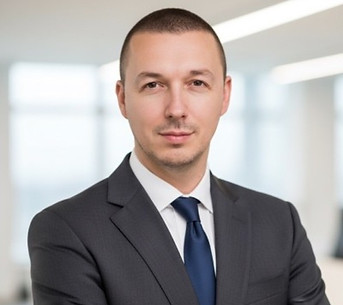
Driart Elshani is an AI and Digital Governance expert specializing in helping NGOs integrate artificial intelligence into leadership, governance, fundraising, and democratic development. He also serves as an Evaluation and Monitoring Expert for major EU-funded AI projects. His work has been recognized internationally, including with the Chartered Management Institute's Certificate of Leadership in Public Service, and in 2026 he was featured by The Michigan Daily for his teaching at the University of Michigan.
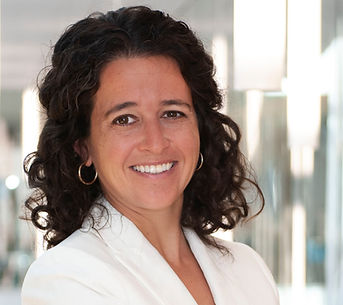
Heather Esper
Director, Impact Measurement and Management
William Davidson Institute at the University of Michigan
USA
%20(1).jpg)
Heather Esper has over 20 years of experience helping NGOs, social enterprises, foundations, and impact investors use evidence to improve decision-making and maximize impact. At the William Davidson Institute, she leads research, evaluation, and learning initiatives for organizations including USAID and the Bill & Melinda Gates Foundation. She specializes in impact measurement, theories of change, learning systems, and translating data into practical action.
Donors
... with their generous contributions and shared values
and insights, play a crucial role in enabling this program.


Organizers
...through their expertise and dedication, join us in shaping
a dynamic and impactful program, ensuring every detail reflects our collaborative commitment to excellence.

